Buying a house in Dubai for expats

Whether you're looking to buy a house in Dubai as an expat or a property investment for your next home, here's what you need to know, from legal factors to professional advice.
Dubai continues to be recognised internationally as one of the best cities in the Middle East to live, work, invest and visit. Combine this reputation with exceptional safety, lifestyle opportunities and a thriving property market and it’s clear why so many expats are drawn to the emirate.
Maybe you're ready to buy your first Off Plan property, perhaps you're still thinking about it but want to know more about the process or whether expats can buy land in Dubai. Whatever your case, here are some things you need to know before getting started.
Can expats buy property in Dubai?
Yes, expats can buy property in Dubai. Since the introduction of Freehold ownership laws in 2002, non-UAE nationals have been able to purchase freehold homes in designated areas. This includes everything from apartments and townhouses to villas and plots. Expats also enjoy ownership rights in these zones, making buying property in Dubai as an expat highly attractive.
What expats need when buying a house in Dubai
The documentation needed will depend on whether you are buying as an individual or through a company:
Individual buyer
You will need your original passport and Emirates ID. If you're not a UAE resident, you can only provide your passport as your identification.
Company or corporate entity
Properties can also be purchased through UAE based companies. In this case, you will need a list of documents including a Certificate of Incorporation, Board of Resolution, Power of Attorney for the designated signatory and the personal documents mentioned above.
Where can expats buy property in Dubai?
Expats can buy in Freehold areas, which cover some of the city’s most popular neighbourhoods. From luxury coastal villas to central apartments, the choice is wide-ranging. For a detailed list, see our guide to Freehold areas in Dubai.
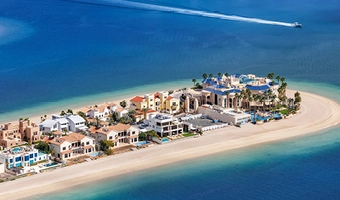
Palm Jumeirah - home to many high end hotels, swanky apartment blocks and luxurious villas, with the Atlantis hotels' and waterpark. Discover the average rental and sales price in Palm Jumeirah in our Q3 Market Report.
Dubai Creek Harbour - combines upscale living with leisure facilities - featuring a waterfront promenade, centrally located park area, marina, yacht club and five star hotels. Discover the average rental and sales price in Dubai Creek Harbour.
Arabian Ranches - offers a private and peaceful living lifestyle with world class facilities including shopping and dining destinations, lush parks and the popular Arabian Ranches Golf Club. Discover the average rental and sales price in Arabian Ranches.
Motor City - home to the Dubai Autodrome and two karting tracks for racers and F1 aficionados. But don't be fooled into thinking this area is reserved for motorheads - there's a lot more to the place than the name implies. Discover the average rental and sales price in Motor City.
Buying property in Dubai as an expat – what, when and how
Think about your purpose. Are you looking for a ready property or would you prefer to invest in an Off Plan property? Dubai offers both options, from stylish apartments and family villas to brand new developments still under construction.
Choosing the right real estate agency is essential, especially one with area specialists who understand expat needs. They can provide advice on communities, identify opportunities and ensure you buy with confidence.
Factors to consider when buying property in Dubai
Think about your must-haves – maybe you want to have a school nearby for the kids or need more than one parking space.
If you're looking for an investment property, you might find more value in the community and proximity to main landmarks (a holiday home with Burj Khalifa views can get rented in a flash).
Discuss these points with your agent before the search. During viewings, ask any questions you have and make sure you also have a look at the amenities and surrounding areas.
Factors to consider when selecting a property:
- Location
- Budget
- Developer research
- Infrastructure
Buying property in Dubai – payment, paperwork and costs
Once you've agreed on a price with the seller, your Property Consultant will arrange for a Contract B to be sent to you via the Dubai Land Department. Once accepted, the agent will arrange for a Unified Contract F to be sent.
As the buyer you will be required to hand over a 10% deposit cheque to your Consultant, which will be held until the transfer of the property is processed.
When budgeting, expats should be aware of the following fees and costs:
- Transfer fee — You will need to pay a 4% transfer fee to the Dubai Land Department. Some developers cover part or the full 4% as an incentive to purchase.
- Agent Fee — An agent fee of 2% + VAT applies to the buying process, however, there is no agency fee when purchasing an Off Plan property.
- Community service fee or maintenance charge — These fees are charged on a per sq.ft basis and usually range between AED 2 to AED 30 per sq.ft depending on the area. These fees are typically paid on quarterly basis to the developer.
- Mortgage registration fee — For mortgage buyers a total of 0.25% of the registered loan amount must be paid to the Dubai Land Department.
Conveyancing services - We recommend working with an agency offering specialised conveyancing services to handle the sale progression, legal documentation and property transfer. At haus & haus, we are partnered with MAK Property Conveyancers who provide full support – prices for their services are available on request.
Advantages expats get when buying UAE property
Buying property in Dubai offers expats long term investment security in a stable, tax friendly market. Yields are typically higher than in many other global cities, making it an attractive option for those seeking rental income as well as capital appreciation. Qualifying purchases may also make buyers eligible for UAE residency visas, adding lifestyle and practical benefits. On top of this, expats enjoy access to a wide range of options, from luxury waterfront villas to affordable suburban homes, ensuring there is something to suit every lifestyle and budget.
FAQs about buying property in Dubai for expats
Yes, expats can purchase land, but only in designated Freehold areas. These plots can then be developed subject to Dubai Land Department approvals and community guidelines.
In addition to the purchase price, expats should budget for around 7–8% of the property’s value to cover transfer fees, agency commission and conveyancing costs.
Typically, a minimum of 20–25% of the property value is required as a down payment for residents and around 50% for non-residents.
Depending on the purchase price, a minimum of 20–30% of the property value is required as a down payment for residents and around 50% for non-residents.
Yes. Dubai’s property market is regulated by the Dubai Land Department and RERA, ensuring transparency and security. Combined with high rental yields and tax-free income, it is considered one of the most attractive markets globally.
In addition to ownership rights, qualifying buyers may also be eligible for long term residency visas, making property ownership in Dubai appealing for families and investors alike.
Get in touch with the haus and haus team
Whether you are in Dubai or overseas, a professional real estate agency will make the buying process easier. From mortgage services and furniture solutions to conveyancing assistance and consultations, the haus & haus team offers all the support you need in one place.
Share

Subscribe to our monthly newsletter

Dubai Real Estate: Unplugged

Get notified of new YouTube videos