Dubai real estate doesn’t reward short term thinking. The developments that stand the test of time are the ones planned for life after the headlines fade.
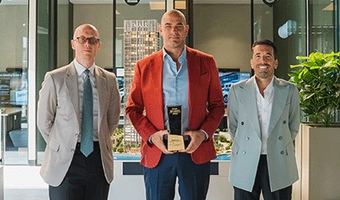
In this episode of Behind the Bricks, Luke Remington and Simon Baker, Managing Directors at haus & haus, sit down with Jason Quick, Senior Vice President of Delivery at Expo City Dubai, to explore how one of Dubai’s most ambitious projects has been designed for long term living, not just a single global moment.
Jason shares insights from delivering some of the world’s largest infrastructure projects, including London 2012 and the Qatar World Cup, and explains why Expo City was always planned as a city first, with Expo as the catalyst, not the end goal. They discuss how long term planning shaped everything from infrastructure capacity to land use flexibility and why that approach matters for residents, investors and future demand. These Expo City plans continue to guide how the area evolves today.
A key part of the conversation focuses on how Expo City is now being actively redeveloped. Former country pavilions and exhibition buildings are being repurposed into real residential and commercial communities, including Expo Valley, Mangrove Residences, Sky Residences and Al Waha Residences. Landmark Expo assets like Al Wasl Plaza and the surrounding public realm have been retained as the cultural and social heart of the city, while existing commercial buildings are already home to offices, events and institutions. Rather than clearing the site and starting again, the city is evolving through reuse, adaptation and infill.
For anyone considering where Dubai’s growth is really heading or why areas like Expo City are increasingly attracting long term buyers, this episode offers valuable perspective on how government vision, infrastructure investment and community-led planning come together to create sustainable real estate value.